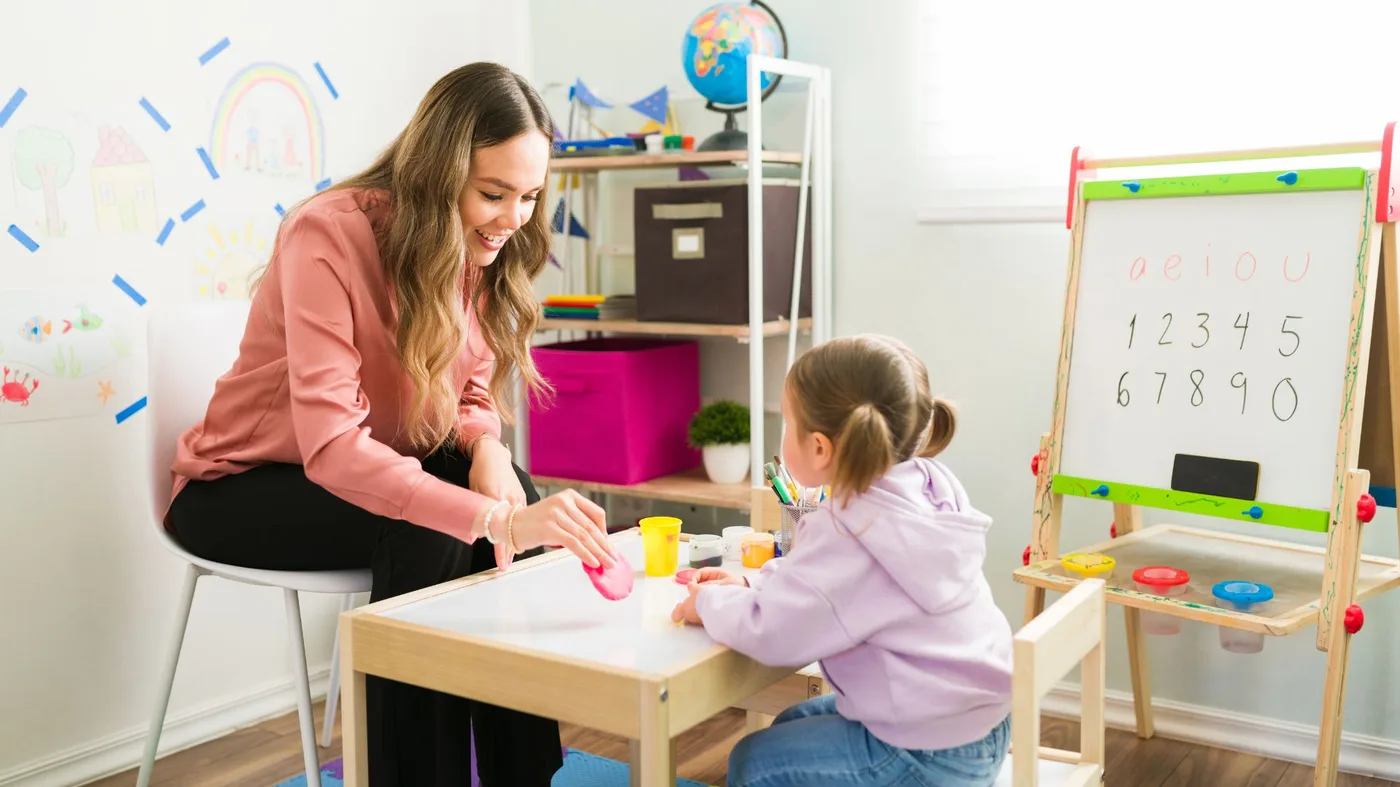
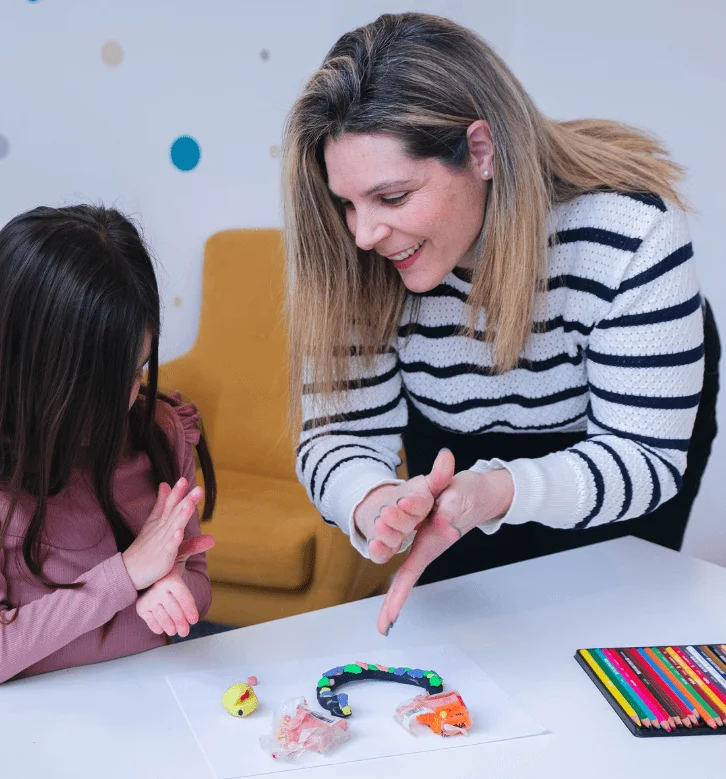
Child therapy is a type of psychological treatment aimed at children and adolescents to help them manage and overcome emotional, behavioral and developmental problems. This therapy uses techniques adapted to the child's age to promote their well-being and healthy development. In our practice, we offer play therapy, a highly effective tool that allows children to express their emotions and resolve conflicts through play. This technique facilitates communication and helps children understand and process their experiences in a safe and playful way. In addition, we implement auditory relaxation, exercises designed to reduce stress and anxiety through calming sounds and music. These relaxations help children find a state of tranquility and develop emotional self-regulation skills.
You can tell if your child needs a child therapist by the reasons described below:
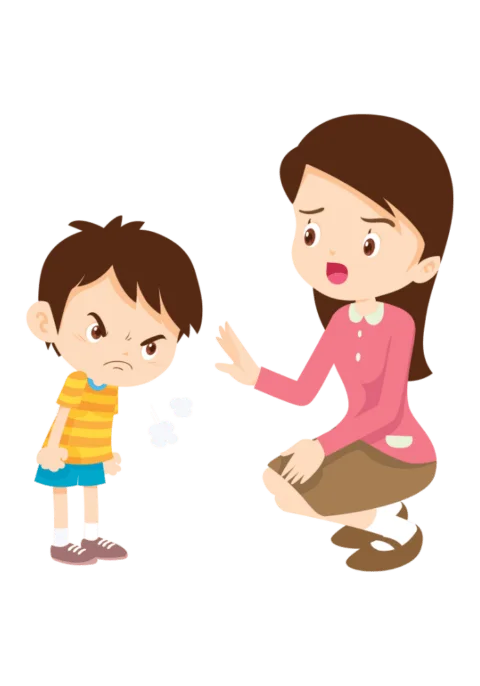
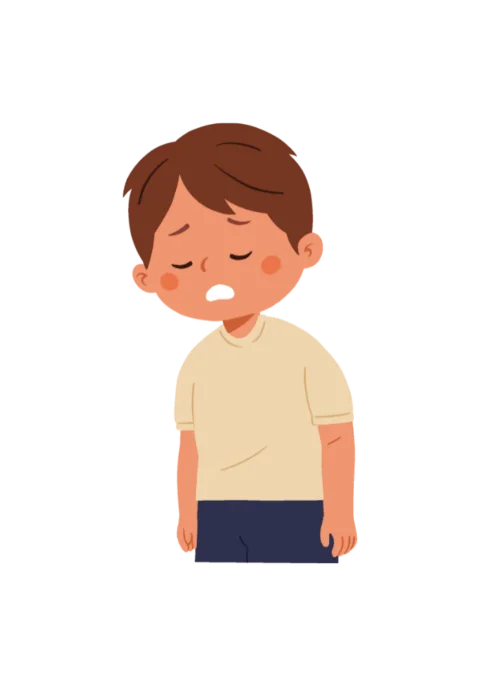
Emotional and behavioral difficulties can manifest in outbursts of anger, persistent sadness, or behavioral problems. These symptoms indicate the need for a therapeutic intervention to help the child manage their emotions in a healthy way.
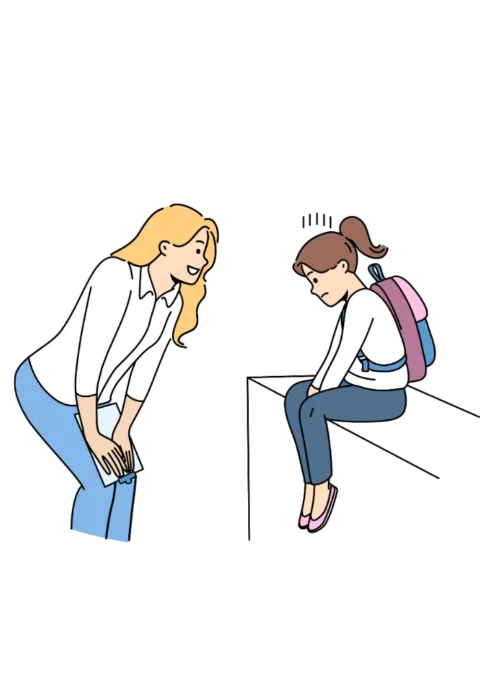
Children with socialization problems may have difficulty making friends or relating to others. My techniques can provide tools to improve social skills and increase confidence in social situations.
Children experiencing stress and anxiety may show signs such as excessive worry, sleep problems, and difficulty concentrating. Child therapy helps develop strategies to manage stress and reduce anxiety.
With my experience and training in the use of child psychology, I can help you manage your child's emotional problems effectively. If you think your child may need help, do not hesitate to contact me. I am here to provide the support and tools necessary to promote their healthy growth.
Signs include emotional difficulties, behavioral problems, and persistent sadness. If your child shows these symptoms, they could benefit from child therapy.
Child therapy sessions usually last between 45 and 60 minutes. The duration may vary depending on the child's needs and age.
Signs of improvement include positive changes in behavior, better emotional management, and greater well-being. Communication with the therapist also helps assess progress.
I use techniques such as play therapy, auditory relaxation, and other strategies adapted to the child's age to help them overcome their emotional difficulties.
Child therapy can begin from age 3-4, when the child already has a basic capacity for communication and interaction. At very early ages, the work focuses more on parent guidance and observation of behavior. As the child grows, sessions are adapted to their needs and cognitive abilities, using techniques appropriate for each developmental stage.
Parental participation is essential in child therapy. Family guidance sessions are held to explain how to support the child at home, work on educational guidelines, and reinforce the progress achieved in therapy. Collaboration between the family and the therapist is key to ensuring lasting results and an emotionally safe environment for the child.