Gender-Based Violence, present mainly against women, manifests itself in diverse forms such as physical, emotional and sexual violence. The roots of this phenomenon lie in power inequalities between genders and social norms that perpetuate traditional roles. Prevention involves challenging these unequal structures, educating about respect and equality, and supporting victims. It is essential to understand the causes and consequences of this violence to create a more just and safe society for all.
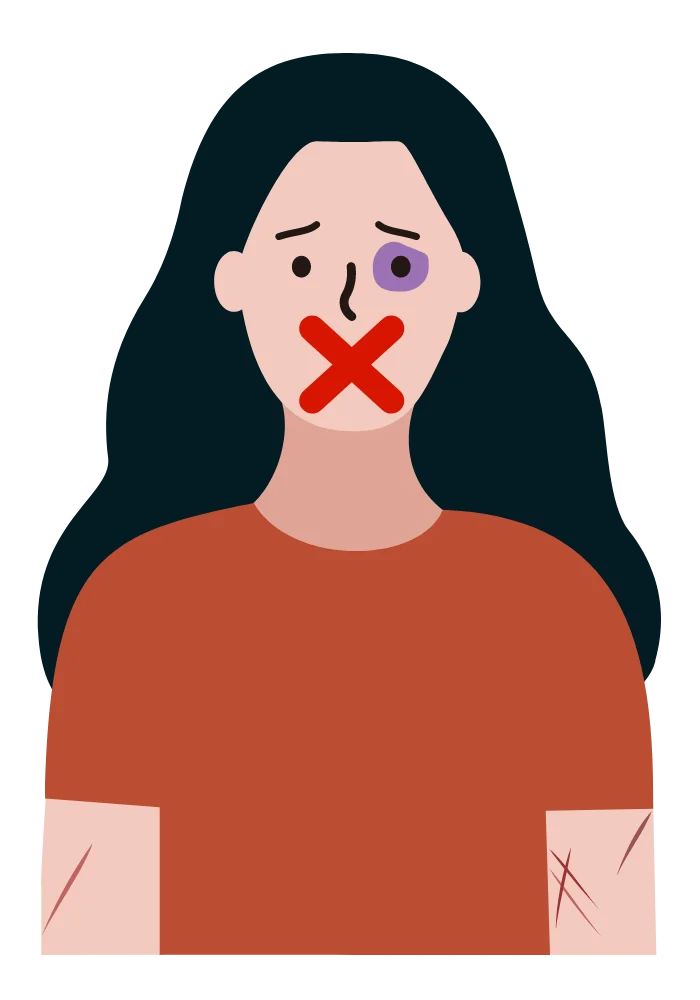
Gender violence can have devastating effects in multiple areas of life:
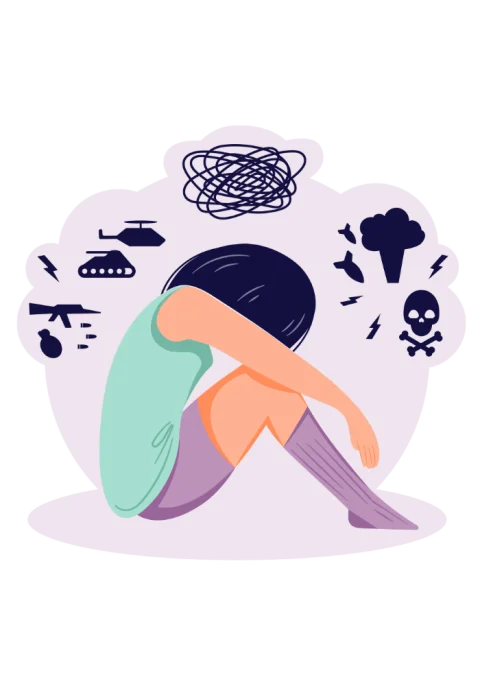
Victims of gender violence often suffer from psychological trauma such as anxiety, depression, low self-esteem and disorders related to post-traumatic stress. These effects can last for long periods of time and negatively affect the quality of life of those affected.
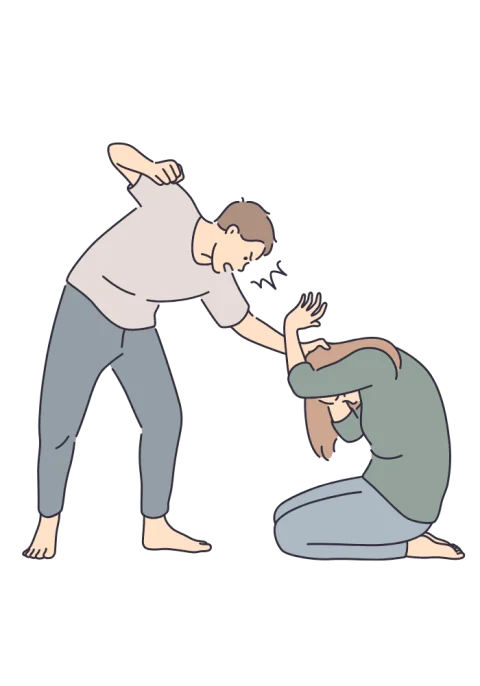
Gender-based violence can cause serious physical harm, including bodily harm, fractures, wounds and, in extreme cases, death. These damages can have long-term consequences for the physical health and general well-being of victims, and can even result in permanent disability.
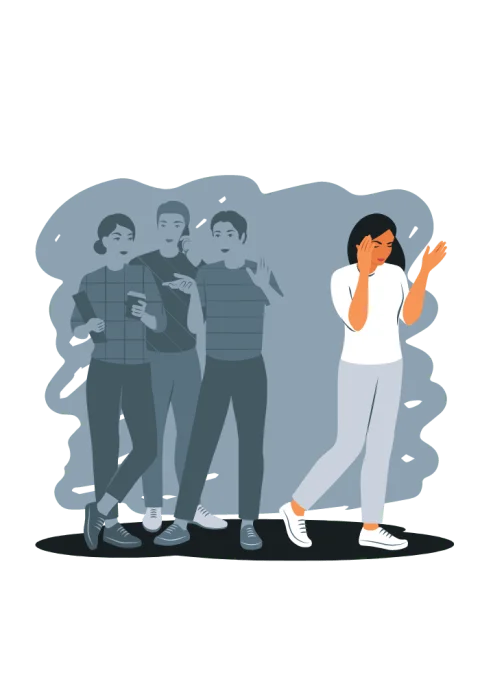
Many times, people who suffer gender violence are forced to isolate themselves from their social and family environment due to fear, shame or lack of support. This social isolation can lead to the loss of important support networks and increase victims' feelings of helplessness and hopelessness.
I have the necessary tools to help you overcome all the trauma and insecurities that gender violence may have caused you.
Gender violence is a complex phenomenon that includes acts of physical, emotional, sexual and economic violence directed primarily against women because of their gender.
Gender violence has its roots in power inequalities between genders, social norms that perpetuate traditional roles, and a lack of education about respect and equality.
The consequences of gender violence include psychological trauma such as anxiety and depression, serious physical harm, social isolation and loss of support networks.
Preventing gender violence involves challenging unequal power structures, educating about respect and equality, and providing appropriate support to victims. It is also crucial to promote intervention programs to end this form of violence.
Gender violence is not always physical. It can manifest itself through excessive control, emotional manipulation, social isolation, constant humiliation, threats or economic coercion. If you feel afraid of your partner, if you have changed your behavior to avoid conflict or if you feel that you have lost your identity within the relationship, you could be experiencing a situation of abuse. Seeking professional guidance can help you identify the situation and find safe exits.
You can call 016 (state line against gender violence, available 24 hours a day, leaves no trace on the bill), 112 in case of emergency, or 900 900 120 in Catalonia. You can also go to the social services of your municipality or contact a psychologist specialized in gender violence who will accompany you in the emotional recovery process. You are not alone.