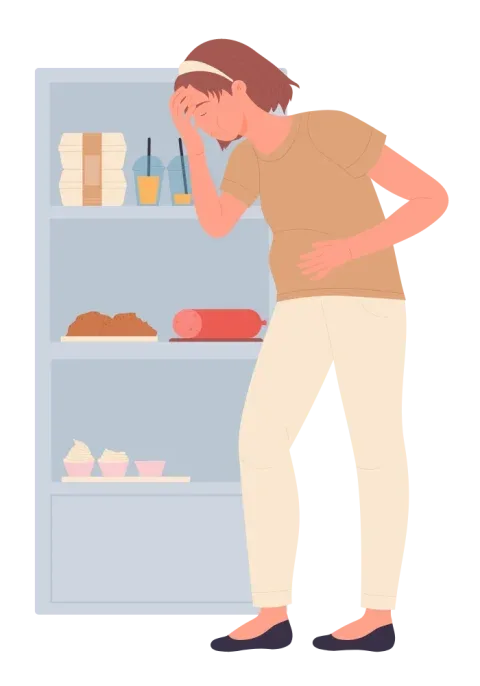
Eating disorders (ED) are alterations in the way of thinking, feeling and behaving in relation to eating, weight or figure. This could lead to disorders such as anorexia nervosa, bulimia nervosa, binge eating disorder, or avoidance and restriction of food intake disorder. The treatment of these disorders involves the multidisciplinary work of professionals who address the problem comprehensively. Understanding the causes and triggering factors is essential to be able to provide good support to people with these disorders.
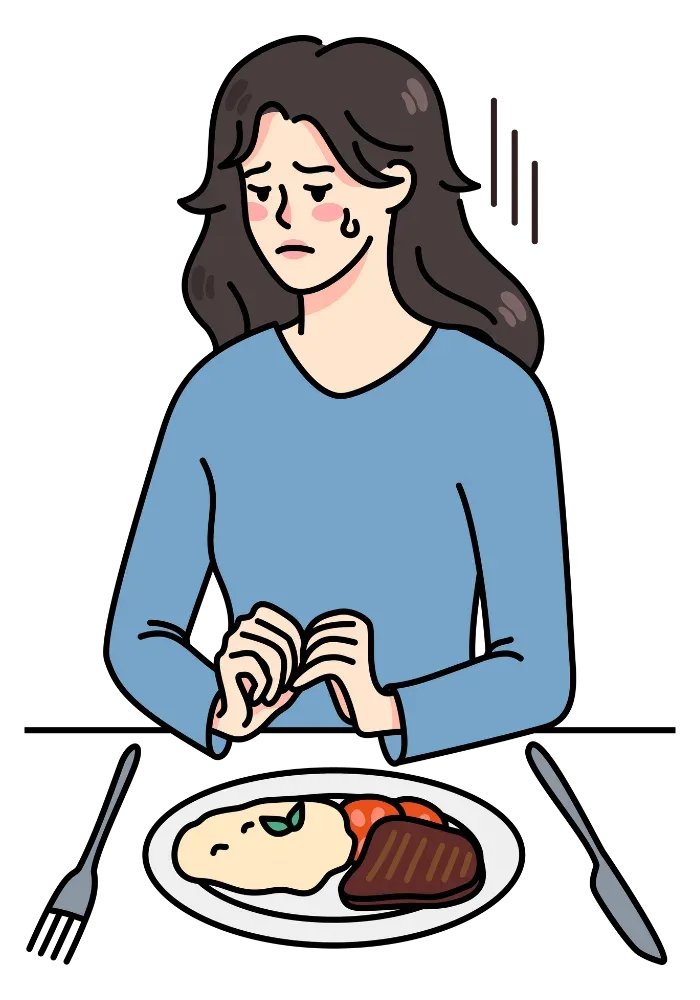
Eating disorders have a multi-causal onset:
Social pressure and cultural expectations surrounding body image can contribute to the development of eating disorders, especially during adolescence. Excessive focus on idealized beauty standards can generate anxiety and dissatisfaction with one's image, leading to disordered eating behaviors.
Stress, depression or anxiety can influence the development of eating disorders. Some people may resort to restricting or overeating food to try to control their emotions.
History of trauma or abuse, whether physical, psychological and/or sexual, can contribute to the development of eating disorders. Traumatic experiences generate a feeling of lack of control over the person themselves, so there is a false belief that they can regain that control over their body through food.
I have the necessary tools to help you achieve good management of your emotions so that your relationship with your body and food is healthy.
EDs are disorders linked to self-perception and distortion of body image. The most common include anorexia and bulimia. People who suffer from them show excessive concern about not gaining weight, even though their weight is normal or very below normal.
The most common eating disorders include anorexia nervosa, bulimia nervosa, binge eating disorder, and avoidant and restrictive eating disorder. Each of these disorders is associated with different symptoms, although sometimes they can coincide.
Eating disorders can affect the heart, digestive system, bones, teeth and mouth. They can lead to other illnesses and are linked to depression, anxiety, self-harm, and suicidal thoughts and behaviors.
The most effective way to prevent the appearance of these disorders is to establish a healthy relationship with food, have a positive body image, good self-esteem, the ability to manage emotions and social skills.
Yes, complete recovery from a TCA is possible with the right treatment. The process involves psychological work to address underlying emotional causes, the relationship with the body and food. Each person has their own recovery pace and it is essential to have a specialized professional team. With commitment and therapeutic support, many people achieve a healthy and balanced relationship with food.
The most important thing is to show support without judging or pressing. Avoid comments about weight, food, or physical appearance. Encourage the person to seek professional help and offer to walk them through the process. Educating yourself about the disorder will help you better understand what you are experiencing. Family therapy can be very helpful in learning communication patterns and creating an effective supportive environment.